Independent & educational platformNot a government body. No link or affiliation with any government organisation.Made for learning only. Test only systems you own or are authorised to test.Become a Partner or Sponsor →Full disclaimer
Independent & educational platformNot a government body. No link or affiliation with any government organisation.Made for learning only. Test only systems you own or are authorised to test.Become a Partner or Sponsor →Full disclaimer
Security news
Stories are collected automatically from public feeds, attributed to their original publishers and linked. Editors can remove anything. Always read the original source.
HTTP cookies often control critical website features, but their long and convoluted history exposes them to parser discrepancy vulnerabilities. In this post, I'll explore some dang...
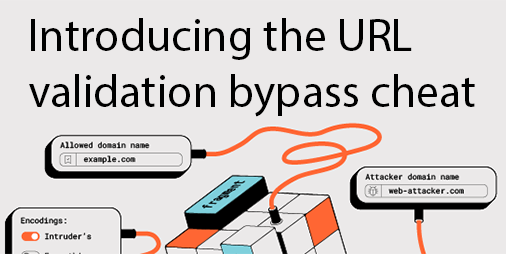
The strength of our URL Validation Bypass Cheat Sheet lies in the contributions from the web security community, and today’s update is no exception. We are excited to introduce a n...
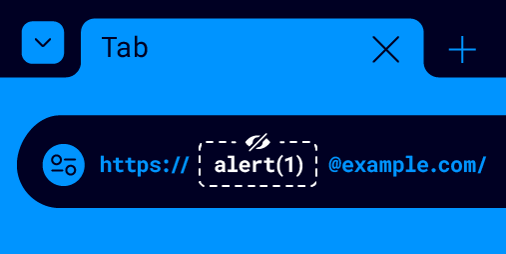
Last year Johan Carlsson discovered you could conceal payloads inside the credentials part of the URL . This was fascinating to me especially because the payload is not actually vi...
URL validation bypasses are the root cause of numerous vulnerabilities including many instances of SSRF, CORS misconfiguration, and open redirection. These work by using ambiguous...
Through the years, we have seen many attacks exploiting web caches to hijack sensitive information or store malicious payloads. However, as CDNs became more popular, new discrepanc...
Some websites parse email addresses to extract the domain and infer which organisation the owner belongs to. This pattern makes email-address parser discrepancies critical. Predict...
Websites are riddled with timing oracles eager to divulge their innermost secrets. It's time we started listening to them. In this paper, I'll unleash novel attack concepts to coax...
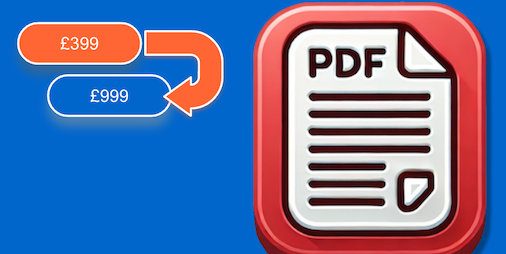
Imagine the CEO of a random company receives an email containing a PDF invoice file. In Safari and MacOS Preview, the total price displayed is £399. After approval, the invoice is...
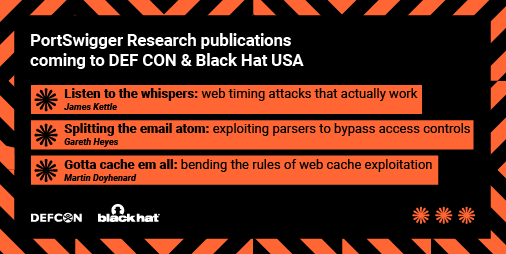
We're delighted to announce three major research releases from PortSwigger Research will be published at both Black Hat USA and DEF CON 32. In this post, we'll offer a quick teaser...
The power of our XSS cheat sheet is we get fantastic contributions from the web security community and this update is no exception. We had valuable contributions from Mozilla to re...
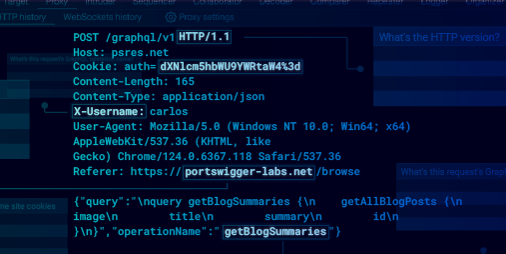
When you open a HTTP request or response, what do you instinctively look for? Suspicious parameter names? CORS headers? Some clue as to the request's origin or underlying purpose?...
Signed web tokens are widely used for stateless authentication and authorization throughout the web. The most popular format is JSON Web Tokens (JWT) which we've already covered in...