Independent & educational platformNot a government body. No link or affiliation with any government organisation.Made for learning only. Test only systems you own or are authorised to test.Become a Partner or Sponsor →Full disclaimer
Independent & educational platformNot a government body. No link or affiliation with any government organisation.Made for learning only. Test only systems you own or are authorised to test.Become a Partner or Sponsor →Full disclaimer
General news
Stories are collected automatically from public feeds, attributed to their original publishers and linked. Editors can remove anything. Always read the original source.
Gareth Heyes - gareth.heyes@portswigger.net - @garethheyes It's quite common for webmail clients to render untrusted CSS in a trusted UI. They attempt to make this safe using CSS s...
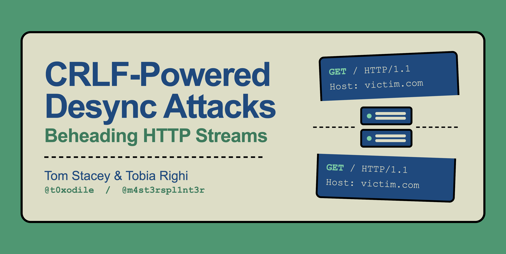
Abstract In this paper we’ll show that HTTP Header Injection is severely underestimated. Forget open redirects or Cross-Site Scripting and instead, embrace the catastrophic potenti...
Abstract We all know AI can find bugs. After a decade of research, I asked a harder question: can an autonomous system invent new attack techniques, and use them to hack live websi...
Welcome to the Top 10 Web Hacking Techniques of 2025, the 19th edition of our annual community-powered effort to identify the most innovative must-read web security research publis...
Update: nominations are now closed, and voting is live! Cast your vote here Over the last year, security researchers have shared a huge amount of work with the community through bl...
TLDR This post shows how to achieve a full authentication bypass in the Ruby and PHP SAML ecosystem by exploiting several parser-level inconsistencies: including attribute pollutio...
HTTP Anomaly Rank If you've ever used Burp Intruder or Turbo Intruder, you'll be familiar with the ritual of manually digging through thousands of responses by repeatedly sorting t...
Many testers and tools give up the moment a protocol upgrade to WebSocket occurs, or only perform shallow analysis. This is a huge blind spot, leaving many bugs like Broken Access...
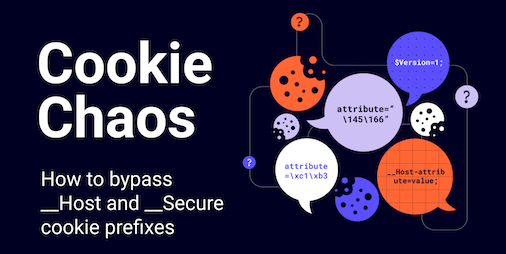
Browsers added cookie prefixes to protect your sessions and stop attackers from setting harmful cookies. In this post, you’ll see how to bypass cookie defenses using discrepancies...
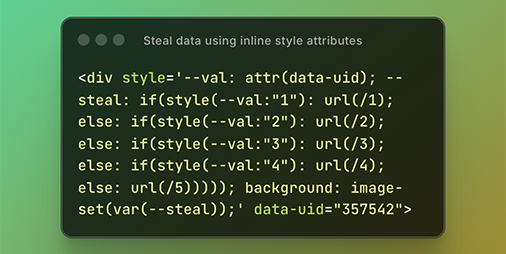
I discovered how to use CSS to steal attribute data without selectors and stylesheet imports! This means you can now exploit CSS injection via style attributes! Learn how below: So...
Sometimes people think they've found HTTP request smuggling, when they're actually just observing HTTP keep-alive or pipelining. This is usually a false positive, but sometimes the...
Abstract Upstream HTTP/1.1 is inherently insecure and regularly exposes millions of websites to hostile takeover. Six years of attempted mitigations have hidden the issue, but fail...